SEARCH
Categories
Tags
Links
Archives
- September 2015
- July 2013
- May 2013
- September 2011
- January 2011
- December 2010
- November 2010
- September 2010
- August 2010
- July 2010
- May 2010
- April 2010
- March 2010
- December 2009
- November 2009
- October 2009
- September 2009
- August 2009
- June 2009
- May 2009
- April 2009
- March 2009
- February 2009
- January 2009
- December 2008
- November 2008
MAT Projects
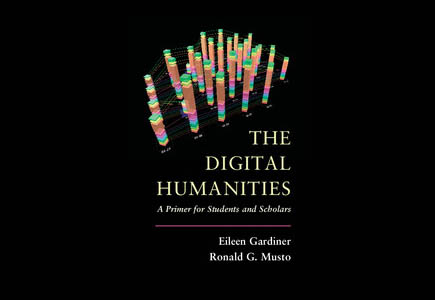
Digital Humanities book cover
Thursday, September 10th, 2015A shot from the Dewey Calendar data visualization was recently featured on the cover of a new book from Cambridge University Press – The Digital Humanities: A Primer for Students and Scholars by Eileen Gardiner and Ronald G. Musto. Read more about the book at Cambridge Press.
Keep Reading »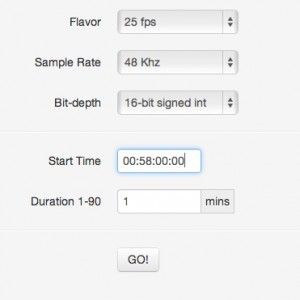
El-Tee-See: Make SMPTE timecode wav file
Friday, July 5th, 2013Because the (entertainment) world needs it – here is a simple service for generating SMPTE (LTC) timecode as a wave file. http://elteesee.pehrhovey.net It supports several sample rates and bit depth for your sync’ing pleasure. Feedback welcome.
Keep Reading »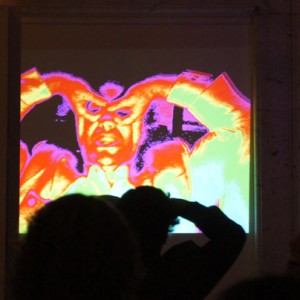
Huescapes at MindshareLA
Saturday, September 24th, 2011Playing with brightness and hues to melt your face
Keep Reading »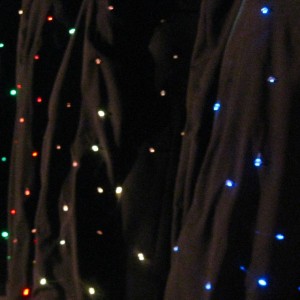
OK Go GPS: Parade video
Monday, December 13th, 2010Here is the video documenting the 8 mile OK Go procession through Los Angeles featuring the fiber optic suits.
Keep Reading »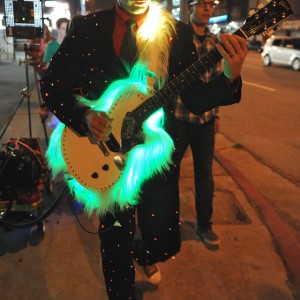
OK Go parades through the streets of LA
Friday, November 19th, 2010OK Go took to the streets of LA to lead a parade of musicians through a route that spells out the band’s name via GPS for the Range Rover Evoque City Shapers program. To prepare for the 8 mile trek we updated the suits to include the pants and over 200 glass beads to finish [...]
Keep Reading »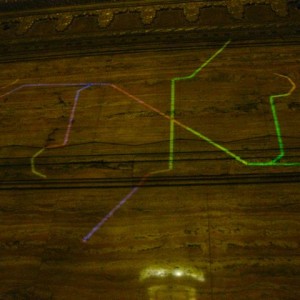
“Turtle” visuals at Mindshare LA
Sunday, September 19th, 2010I developed some new animations for September Mindshare at the old Stock Exchange in downtown LA, including “Turtle”– an experiment with creating complex structures by expanding on the concept of Turtle graphics. The left and right turn angles are variables and each turtle path is rotated and drawn multiple times to create rotational symmetry. Once [...]
Keep Reading »